
Forest & Lower Slopes
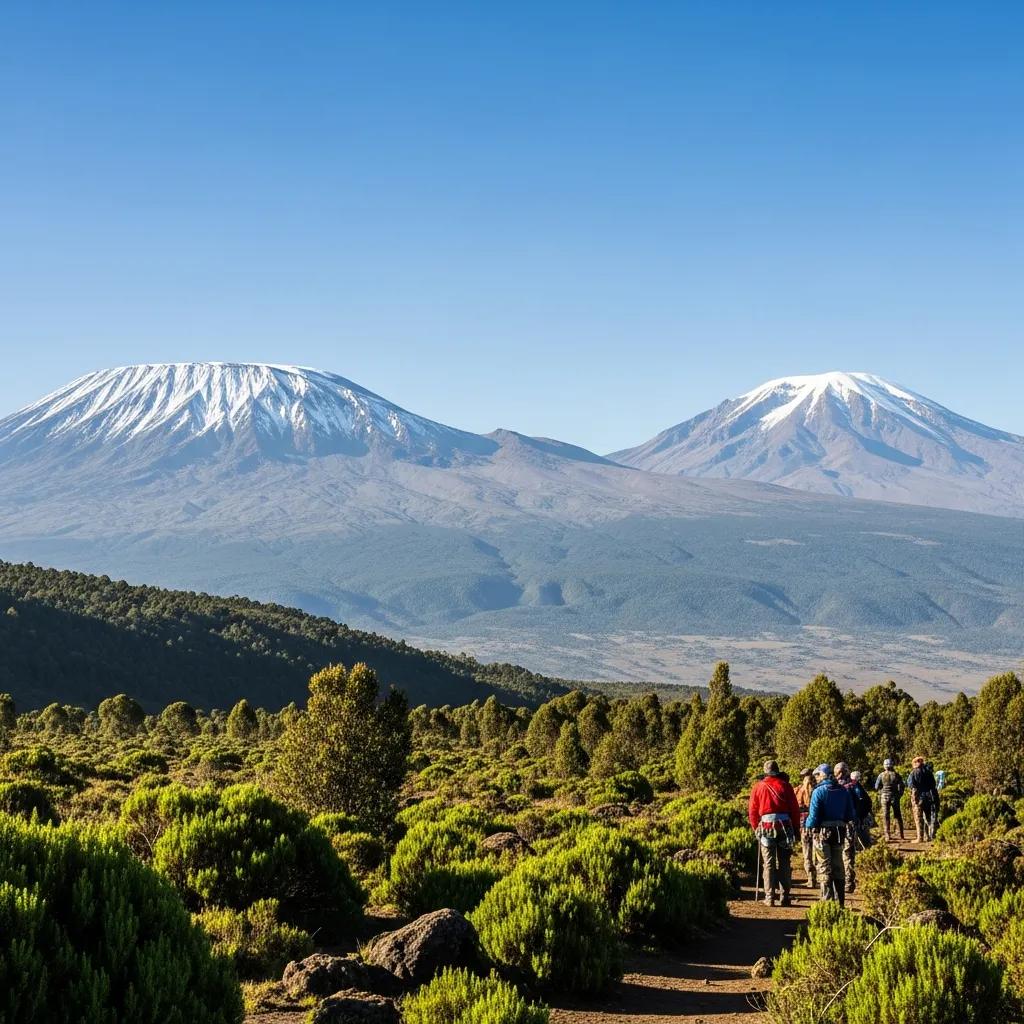
Begin in montane forest and gradually enter the heath and moorland zones while your body starts adapting to altitude.
Trek through forest, moorland and dramatic alpine terrain toward Point Lenana, with carefully paced routes, professional mountain support and proper acclimatisation.
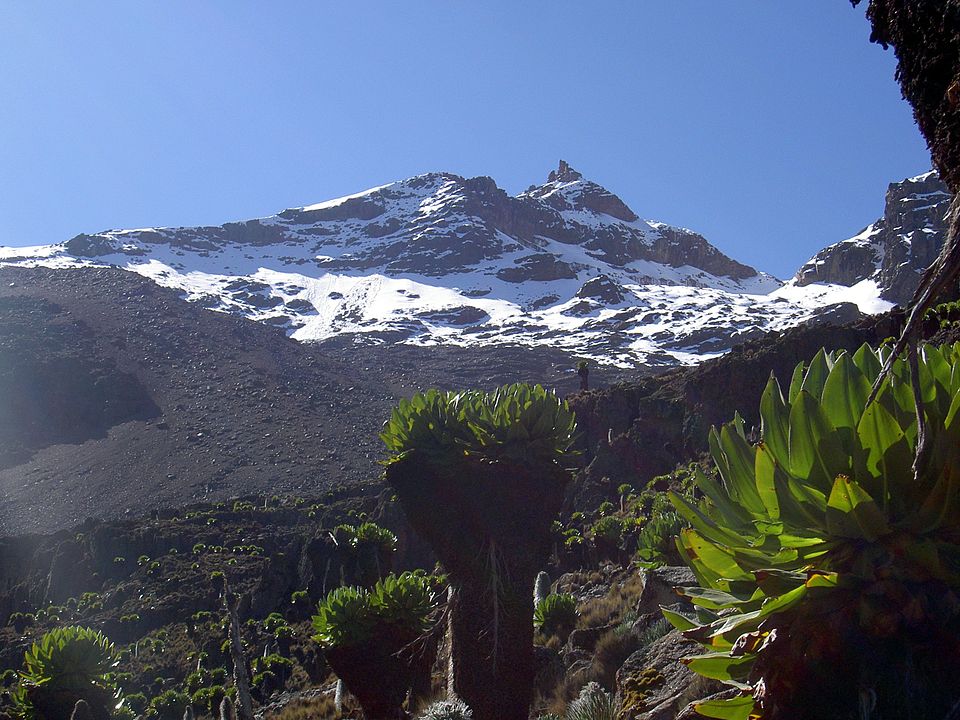
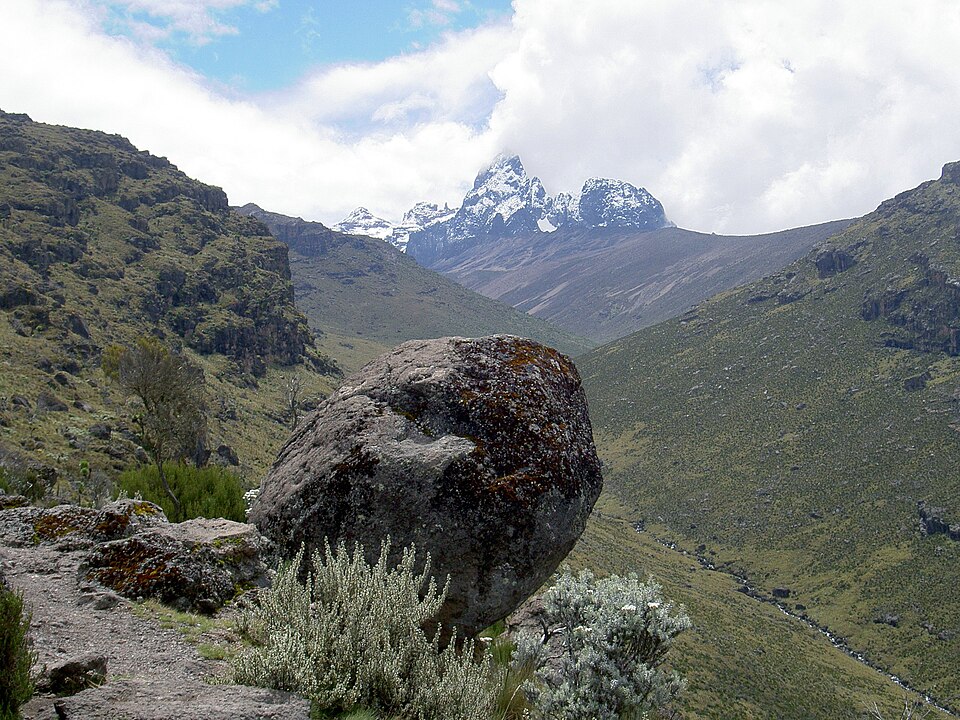
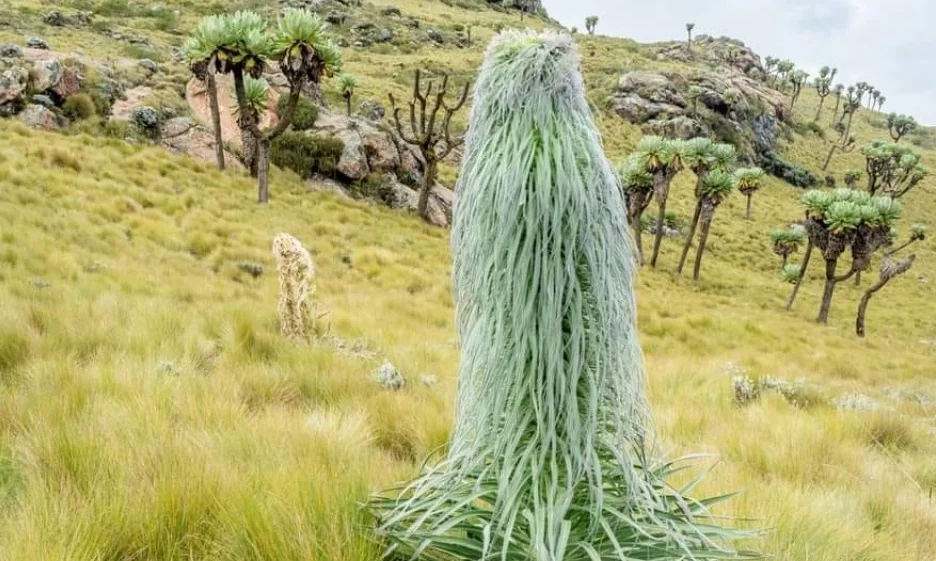
Mount Kenya offers a dramatic high-altitude trekking experience through several ecological zones, from montane forest and bamboo to heath, moorland and stark alpine terrain.
Most non-technical trekking itineraries target Point Lenana. Batian and Nelion are technical climbing objectives requiring specialist mountaineering skills and are outside the trekking routes shown on this page.
Select a route to animate the approach and view the typical mountain stages.
Begin in montane forest and gradually enter the heath and moorland zones while your body starts adapting to altitude.
Continue through broad valleys, ridges and open highland terrain with steadily increasing altitude.
Temperatures fall sharply as vegetation becomes sparse and the high peaks dominate the landscape.
Start in darkness with headlamps, climbing steadily toward Point Lenana for sunrise when conditions permit.
Descend to lower altitude, complete the route and transfer onward after the mountain expedition.
Good preparation improves comfort, safety and your overall climbing experience.
Prepare with regular hiking, cardiovascular training and long walking days before travel.
Expect warm lower slopes, cold alpine mornings, wind and possible rain. Layering is essential.
Consistent hydration and a controlled pace are important parts of acclimatisation.
Choose an itinerary with sufficient time at altitude rather than rushing the ascent.


Weather and mountain conditions can change quickly. Route timing, summit attempts and camp plans may be adjusted by the guide for safety, acclimatisation or operational reasons.
Tell us your preferred dates, route, number of climbers and trekking experience. We will prepare a suitable itinerary and mountain support plan.